
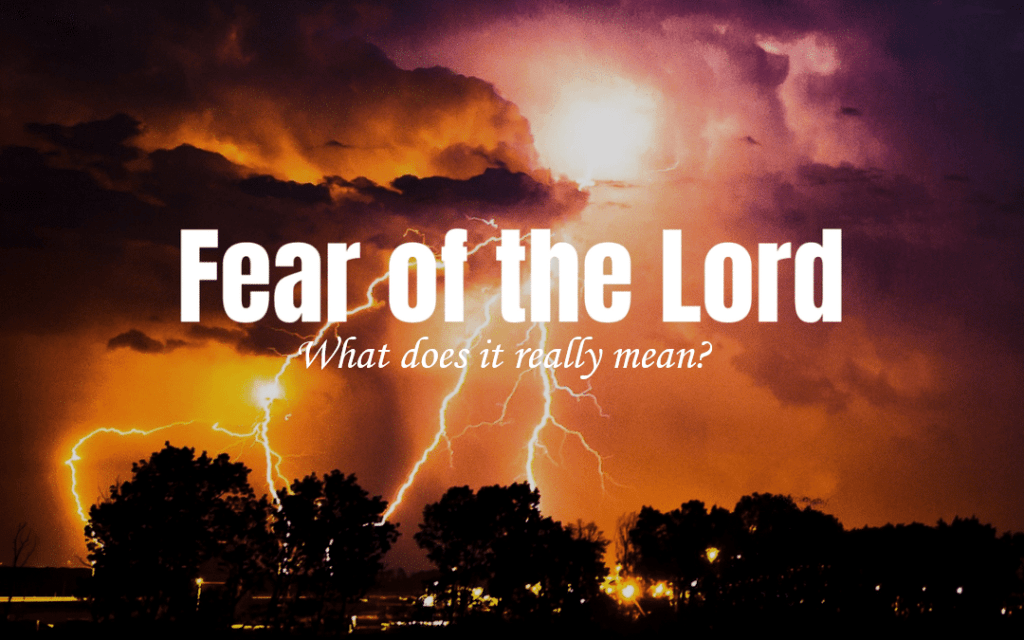
“Therefore, since we are receiving a kingdom that cannot be shaken, let us be thankful, and so worship God acceptably with reverence and awe, for our “God is a consuming fire.” [1] (Hebrews 12:28-29 NIV)
In the tapestry of Christian faith, the concept of the fear of the Lord is woven with threads of reverence, awe, and deep respect for God Almighty. But how does this understanding differ for believers compared to those who do not yet embrace faith? Exploring this question reveals profound insights into the heart of Christianity and the transformative power of faith.
The Fear of the Lord for Believers:
For believers, the fear of the Lord is rooted in a loving relationship with God. It springs from a profound recognition of His sovereignty, holiness, and majesty. It’s not a fear characterized by dread or terror, but rather by reverence and awe. As followers of Christ, we understand that the fear of the Lord is the beginning of wisdom (Proverbs 9:10). It’s the cornerstone of our faith journey, guiding us to align our lives with God’s will and purpose.
Our fear of the Lord as believers is accompanied by a deep sense of gratitude and love. We fear displeasing Him not because we dread punishment, but because we cherish our relationship with Him. Just as a child fears disappointing a beloved parent, so too do we fear dishonoring our Heavenly Father. This fear motivates us to live lives that honor Him, to pursue righteousness, and to seek His will above all else.
The Fear of the Lord for Non-Believers:
For non-believers, the fear of the Lord takes on a different hue. It may manifest as a fear of judgment or punishment, a recognition of God’s power without the accompanying love and relationship. And rightfully so. This fear can and should, lead to a sense of unease or apprehension about the unknown, about what lies beyond this life.
However, even for non-believers, the fear of the Lord can be a catalyst for transformation. It can serve as a wake-up call, prompting individuals to contemplate deeper questions about existence, purpose, and morality. It can lead them on a journey of seeking truth and meaning, ultimately drawing them closer to God’s embrace.
Conclusion:
As Christians, it’s our privilege and responsibility to share the transformative power of the fear of the Lord with those who have yet to experience it. We do so not with judgment or condemnation, but with compassion and humility, knowing that we too were once lost but were found through the grace of God.
In conclusion, the fear of the Lord is a concept that transcends boundaries of belief. For believers, it’s a foundation of faith, guiding us in our journey of discipleship. For non-believers, it can be a doorway to deeper spiritual truths and ultimately, to salvation. May we all embrace the fear of the Lord, allowing it to shape our lives and draw us ever closer to the heart of God.
Embracing Christ, Living in His Love, Journeying Together in Faith
Dee ❤ Sealed In Christ
Cross References:
1. Hebrews 12:29, “God is a consuming fire”: Exodus 24:17, Deuteronomy 4:24, Deuteronomy 9:3, Psalm 97:3, Isaiah 33:14, 2 Thessalonians 1:7
 Sealed in Christ
Amen 🙏🤗♥️
LikeLiked by 1 person
Thanks for stopping by, Willie!
LikeLiked by 1 person
You Are Welcome . Have a Blessed Day
LikeLiked by 1 person
Amen. I pray that the fear of the Lord will return to the Church. Thanks for sharing this powerful message
LikeLiked by 2 people
Agreed. Thanks for sharing your thoughts. 🙂
LikeLiked by 1 person
Dee, please embellish on the phrase ‘In conclusion, the fear of the Lord is a concept that transcends boundaries of belief.’ How would I explain this when witnessing to a non-Christian?
LikeLiked by 1 person
Hello Sister Fowler. In other words, the concept of the fear of the Lord goes beyond any particular religious affiliation. It’s about recognizing and respecting the presence of something greater than ourselves – the one true God. While there are many religions in the world, there is only One who offers an answer to the question of where we have come from and why the world is in the condition it is today. And only One that can take us from this dying, sin sick world into eternal life, both now, and when we die.
LikeLiked by 2 people
Many thanks. I get it, now. I never knew that Christianity was the only religion that totally offers logical and truth reasonings as to where ‘nothing’ came from and Who ‘spoke’ something into being out of nothing. And no matter how hard one may try, who holds the answer of when mankind dies will he live again and where is this place where he will reside. NOBODY BUT THE GREAT CREATOR, GOD ALMIGHTY.
Thanks, sweetheart. Now I can live to witness about the goodness and righteousness of God for another day. Amen.
LikeLiked by 1 person
Amen!
LikeLiked by 1 person